


Split transforming public space through smart mobility solutions
- Mar 25
- 2 min read
As part of ELABORATOR, the City of Split is actively implementing innovative measures aimed at improving traffic safety, reducing illegal parking, and enhancing the quality of public space. Through a combination of smart technologies and on-the-ground interventions, the city is gradually transforming key urban corridors into safer and more accessible environments for all users.
Addressing urban mobility challenges
Like many Mediterranean cities, Split faces increasing pressure on its transport infrastructure. Illegal parking, particularly along major corridors, has long disrupted traffic flow and reduced safety for pedestrians, cyclists, and public transport users.
To tackle these challenges, the city identified critical locations where interventions could have the greatest impact, with a strong focus on improving conditions for vulnerable road users.



Introducing smart enforcement
A key component of the intervention is the introduction of a video surveillance system designed to detect illegal parking and stopping. Following extensive preparation, procurement procedures, and technical testing, the first camera was installed at the end of 2025.
Since February 2026, the system has entered operational use, with implementation ongoing across multiple locations. Full deployment of the system is expected in the coming months, marking a significant step towards more efficient and data-driven traffic management.

Transforming public space
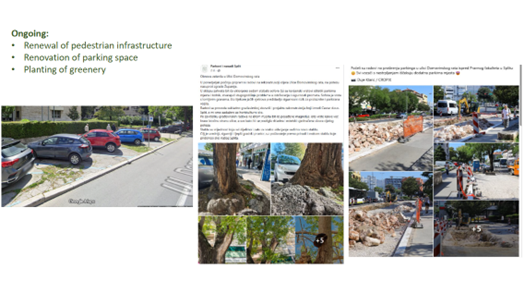
In parallel with the technological solution, Split has implemented a range of physical improvements aimed at reclaiming public space for citizens.
These include:
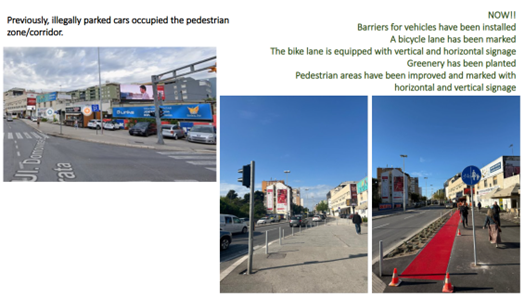
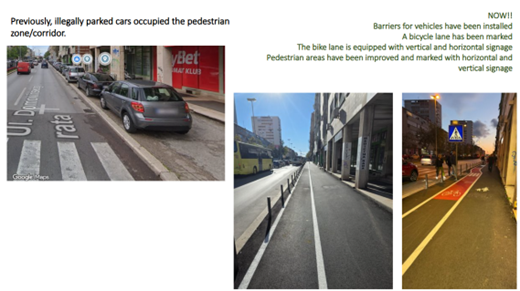
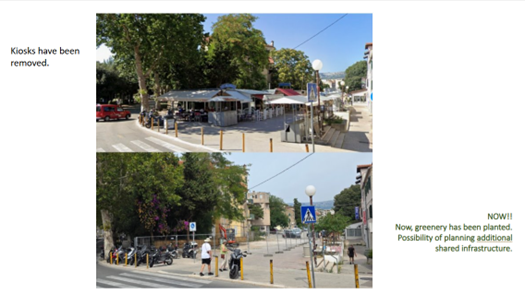
removal of illegally parked vehicles and structures
installation of protective barriers
marking and upgrading bicycle lanes
improvement of pedestrian corridors
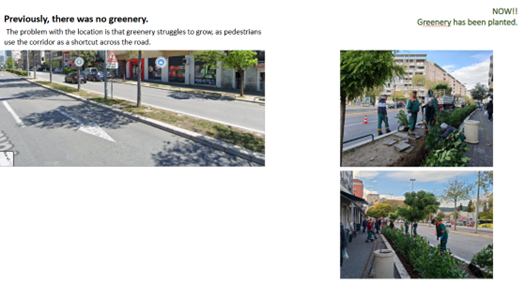
planting of greenery and enhancing the urban landscape
These measures have already resulted in visible improvements across several locations, making them safer, more accessible, and more attractive for everyday use.





Engaging the community
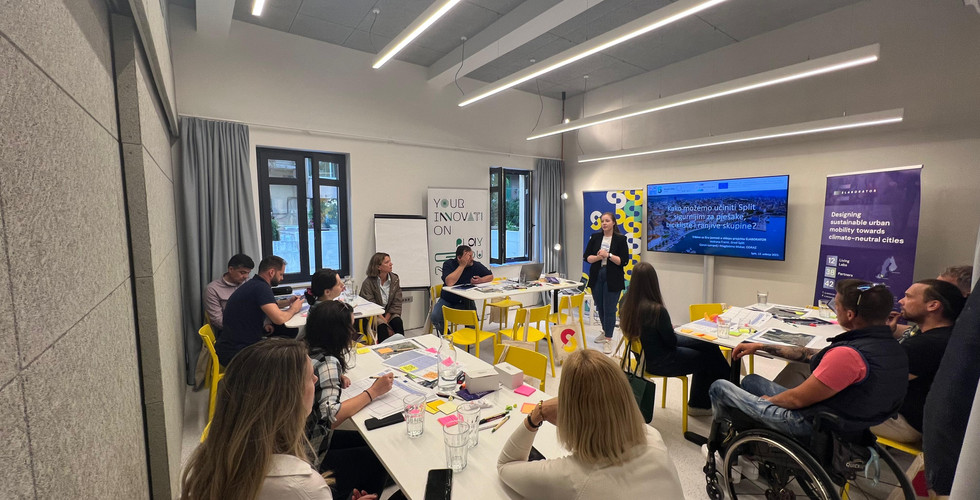
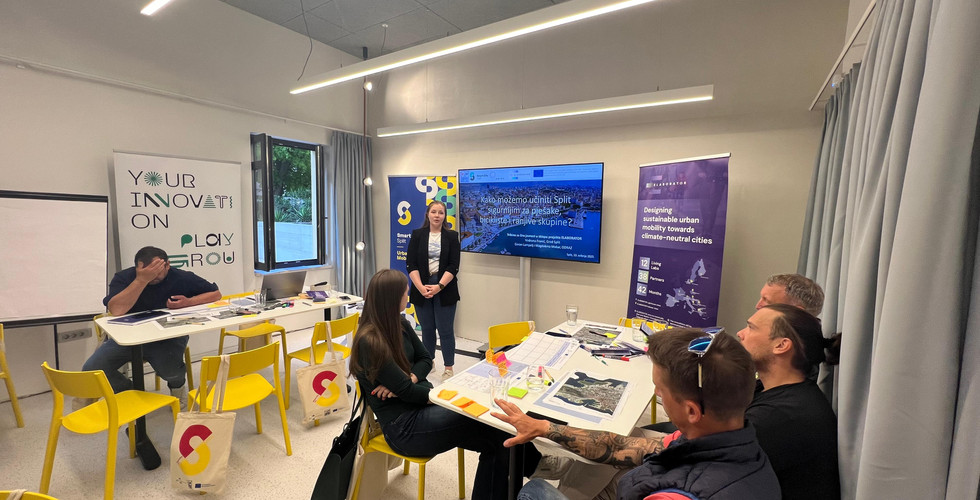
An important aspect of the project is the active involvement of citizens and stakeholders. During 2025, the City of Split organised workshops with high school students, as well as public discussions with stakeholders and local residents.
In addition, in 2024, Split hosted the Urban Mobility Conference, which brought together experts and stakeholders and created a platform for knowledge exchange on sustainable urban mobility.
The city has also actively contributed to knowledge sharing at both national and international levels, further strengthening the visibility of Split’s activities within the ELABORATOR project.
These activities were complemented by surveys and consultations aimed at better understanding user needs and ensuring that the implemented measures reflect community expectations.





Looking ahead
While the project is still in its implementation phase, the ongoing deployment of the system positions Split as a city capable of demonstrating how a balanced approach is the basis of sustainable urban mobility.